


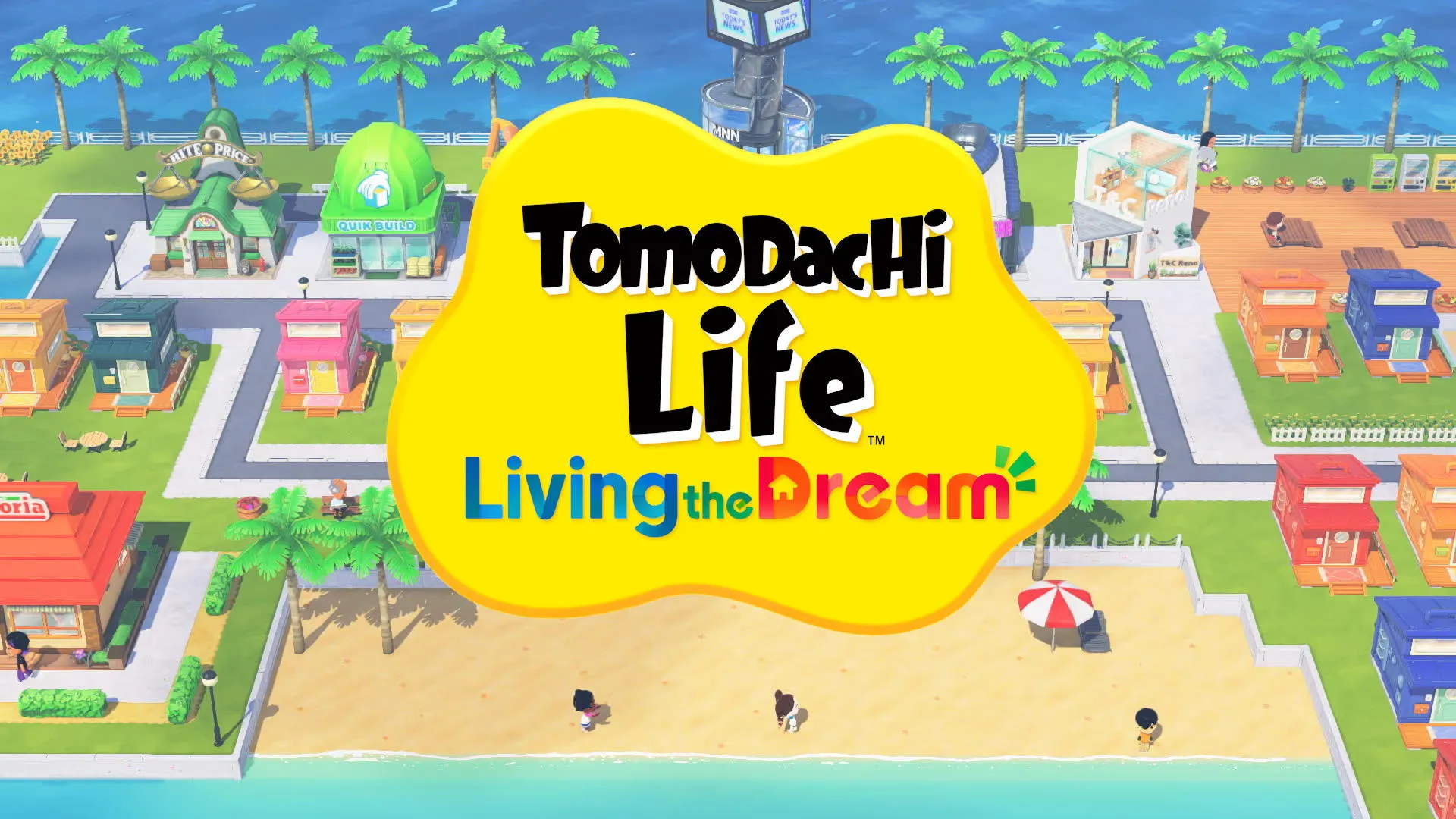
In Tomodachi Life: Living the Dream, one of the most important but least understood systems is the daily island routine. Many players focus only on unlocking clothing, creating Miis, or triggering funny interactions, but eventually their island becomes chaotic, repetitive, or emotionally unstable. Miis stop developing meaningful relationships, social conflicts increase, and progression slows dramatically.
A major “How to” issue players face is this: how to create a structured daily routine that keeps the island balanced, active, emotionally healthy, and constantly progressing without becoming repetitive or unstable. The game appears casual on the surface, but long-term island management requires planning, timing, emotional awareness, and careful social organization.
This guide explores deeply how to build a complete daily island management system. Instead of random interactions and passive observation, you will learn how to structure social growth, maintain emotional balance, optimize progression timing, control relationship development, and keep your island evolving naturally over hundreds of in-game days.
Understanding Why Daily Structure Matters More Than Random Play
Many players initially treat the game as completely spontaneous.
However, islands without structure eventually stagnate.
What causes island stagnation
• Repetitive interactions
• Social isolation
• Emotional instability
• Uneven relationship growth
Why routines matter
A structured island creates:
• More relationship events
• Better emotional balance
• Faster progression opportunities
Key insight
The island evolves best when players guide social flow instead of reacting randomly.
Step One: Starting the Day With Emotional Management
The first moments of each in-game session are extremely important.
Why emotional states matter
Mii emotions affect:
• Conversations
• Friendship success
• Romantic interactions
• Conflict frequency
Early-session priorities
Check problem indicators first
Resolve emotional issues immediately.
Stabilize negative moods
Prevent emotional chain reactions.
Common mistake
Ignoring sad or angry Miis for too long creates social instability across the island.
Step Two: Prioritizing Relationship Development Early Each Day
Relationships should be handled before entertainment activities.
Why early relationship management works
Morning interactions often influence the entire day’s social flow.
Strong early-day actions
Encourage active friendships
Visit socially active Miis first.
Respond to relationship requests immediately
Maintain interaction momentum.
Important principle
Healthy social connections create more events automatically later.
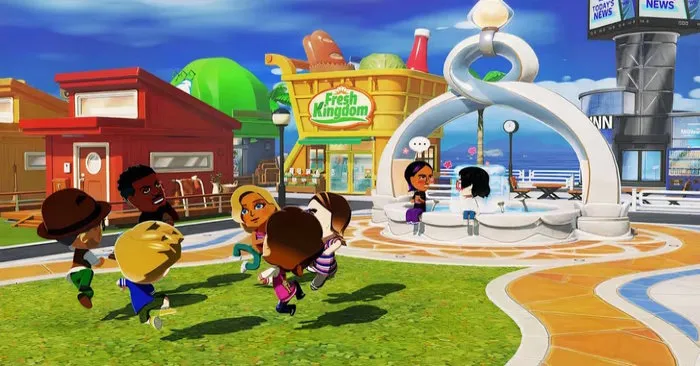
Step Three: Managing Apartment Layouts for Better Interaction Flow
Apartment positioning strongly affects social dynamics.
How apartment proximity works
Nearby Miis interact more frequently.
Smart placement strategies
Group compatible personalities
Increase stable friendship growth.
Separate conflict-prone Miis
Reduce repeated arguments.
Advanced apartment management
Rotate placements occasionally to refresh island social patterns.
Key insight
Island design shapes social behavior more than most players realize.
Step Four: Using Gifts Strategically Instead of Randomly
Gifts are one of the most powerful hidden progression tools.
Common beginner mistake
Giving gifts based only on appearance or humor.
Strategic gift categories
Social activity gifts
Increase interactions between Miis.
Relaxation gifts
Reduce emotional instability.
Hobby-oriented gifts
Shape personality routines.
Advanced tip
Match gifts to long-term social goals rather than short-term reactions.
Step Five: Controlling Romantic Development Carefully
Romance progression requires timing and preparation.
Why romances fail
• Weak friendship foundations
• Emotional instability
• Poor timing
Strong romance-building strategy
Build friendships first
Stable friendships improve confession success.
Monitor emotional mood before confessions
Positive moods improve outcomes.
Key principle
Romance develops best through gradual social consistency.
Step Six: Preventing Conflict From Spreading Across the Island
Conflict management is critical for long-term island health.
How conflicts spread
Negative emotions influence nearby social interactions.
Common conflict triggers
• Personality clashes
• Social imbalance
• Emotional neglect
Effective conflict response
Resolve arguments quickly
Prevent emotional escalation.
Avoid repeated social forcing
Do not constantly push incompatible Miis together.
Advanced insight
A small amount of drama creates excitement, but unmanaged conflict destabilizes progression.
Step Seven: Building Balanced Social Networks Across Large Islands
As islands grow, social management becomes more complex.
Common large-island issues
• Isolated Miis
• Overcrowded friend groups
• Repetitive interactions
Network balancing strategies
Create social bridges
Use outgoing Miis to connect isolated groups.
Encourage cross-group interactions
Prevent social fragmentation.
Why this matters
Balanced networks generate more dynamic and varied island events.
Step Eight: Managing Daily Progression Without Burnout
Players often overwhelm themselves trying to manage every Mii constantly.
Signs of inefficient management
• Constant micromanagement
• Repetitive gift usage
• Emotional exhaustion
Efficient progression system
Focus on priority issues first
Not every problem needs immediate action.
Allow natural interactions occasionally
Overcontrol reduces spontaneity.
Important principle
Good island management balances structure with natural unpredictability.
Step Nine: Optimizing Long-Term Event Generation
Special events are heavily influenced by island stability.
Events linked to healthy progression
• Friendships
• Romantic confessions
• Group activities
• Marriages
How to improve event frequency
Maintain emotional balance consistently
Stable islands generate more interactions.
Encourage diverse social connections
More social variety increases event possibilities.
Advanced insight
The game rewards social ecosystems, not isolated relationship pairs.
Step Ten: Creating a Self-Sustaining Island Ecosystem
The ultimate goal is sustainability.
Characteristics of healthy islands
• Balanced emotions
• Diverse friendships
• Controlled conflicts
• Stable romances
Long-term maintenance habits
Review social patterns regularly
Watch for isolation or imbalance.
Introduce gradual changes only
Sudden major changes destabilize the island.
Final principle
The best islands feel alive because their systems evolve naturally through careful guidance rather than forced control.
Conclusion
Building and maintaining a perfect daily island routine in Tomodachi Life: Living the Dream requires much more than casual interaction management. By understanding emotional systems, relationship timing, apartment layouts, gift strategies, conflict control, romantic development, and large-scale social balancing, players can transform their islands into thriving, dynamic ecosystems filled with meaningful interactions and long-term progression. The most successful islands are not completely controlled or entirely random—they are carefully guided environments where structure and spontaneity coexist naturally. Over time, mastering these systems allows the island to grow organically while remaining emotionally stable, socially active, and endlessly entertaining.