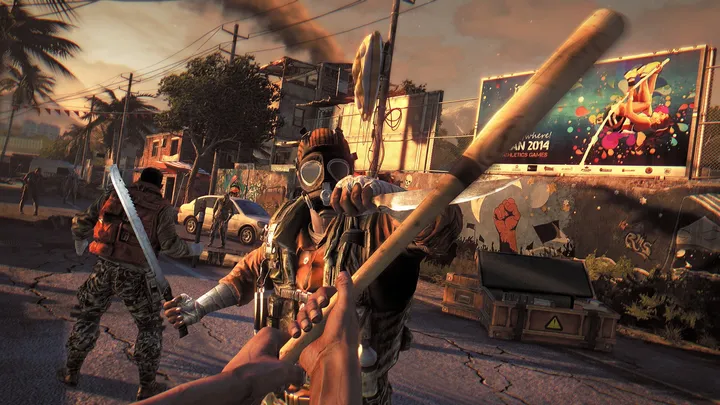







Dying Light throws you into the quarantine zone of Harran, a city overrun by infected, desperate survivors, and dangers that become even worse after sunset. What makes the game so memorable is not just its zombie combat, but the way movement, scavenging, crafting, and survival all connect into one constant struggle. You are never fully safe, and every decision matters, from choosing when to fight to deciding whether a rooftop route is worth the risk.
To truly master Dying Light, you need more than bravery. You need to understand parkour, weapon durability, enemy behavior, resource management, and how the day-and-night cycle changes the entire rhythm of the game. This guide walks through the full survival journey in a clear order, from your shaky first steps in Harran to the late-game confidence of a hardened Night Runner. If you want to stay alive, build power efficiently, and explore the city without becoming another corpse in the street, this is where to start.
Understanding Harran and the Basics of Survival
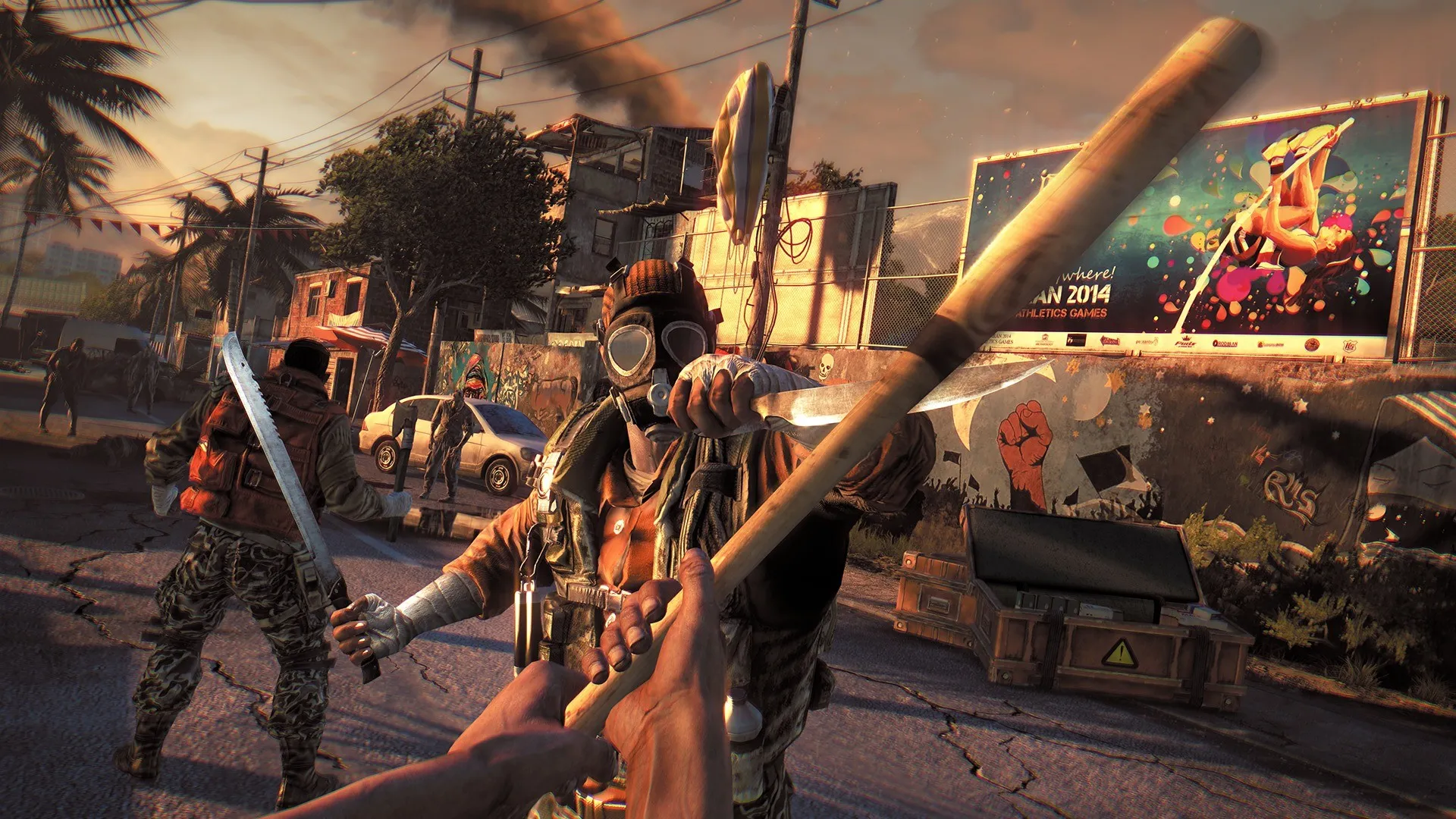
Your first priority in Dying Light is learning that Harran is not a normal open world. Streets are dangerous, rooftops are safer, and noise can get you killed fast. In the early hours, you are weak, under-equipped, and vulnerable to even basic infected. This means you should stop thinking like a brawler and start thinking like a survivor. Movement is your first weapon, not the rusty pipe in your hands.
The map itself teaches this lesson quickly. Narrow alleys, broken buildings, fenced-off zones, and high rooftops all create a world where verticality matters. The more you stay above ground-level threats, the more breathing room you have. Early on, simply learning how to move efficiently from roof to roof will save more health than any medkit.
It also helps to understand the three core progression paths: Survivor, Agility, and Power. Survivor helps with general progression and better item access, Agility improves movement and parkour skills, and Power strengthens your combat potential. These systems work together, and the best players avoid focusing on only one. Dying Light rewards balanced growth because survival depends on mobility and damage equally.
Learning Parkour Before You Learn Combat
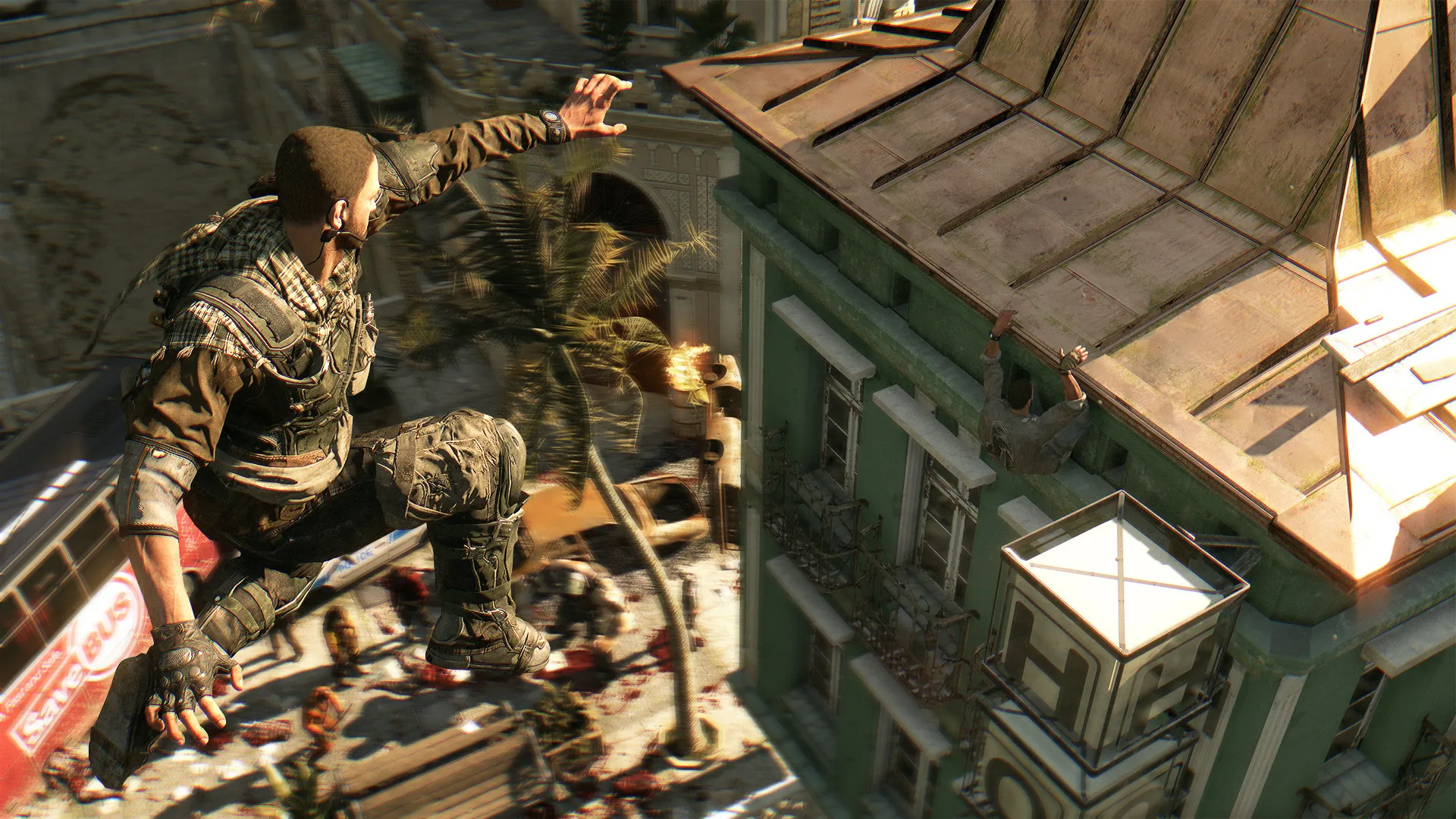
Parkour is the heart of Dying Light, and mastering it early makes every other system easier. Running, jumping, climbing, sliding, and vaulting are not just traversal mechanics. They are defensive tools, escape tools, and the reason you can survive encounters that would overwhelm you on the ground.
In your first hours, spend time practicing safe rooftop routes, testing jump distances, and learning how momentum affects movement. When you panic, bad movement is usually what gets you killed. Missing a ledge, hesitating before a jump, or choosing a cluttered path can trap you between infected and remove your options. Smooth movement keeps you alive.
As you level Agility, your movement becomes more fluid and aggressive. Skills like Dodge, Slide, Vault, and Dropkick are game-changers because they turn traversal into combat control. Instead of standing still and trading hits, you begin using movement to reposition, separate enemies, and create opportunities. In Dying Light, a strong runner fights smarter because they never let the battlefield stay static.
Essential early movement habits
Use rooftops whenever possible
Look ahead before you jump, not during the jump
Keep stamina and spacing in mind during chases
Why movement matters more than damage early
You can escape fights you cannot win
You conserve weapon durability
You avoid drawing larger infected groups
Managing Early-Game Combat Without Wasting Resources
Combat in early Dying Light is messy, desperate, and often inefficient. Your weapons are weak, they break quickly, and basic infected can still overwhelm you if you get surrounded. This is why early combat should be selective. Fight when there is a reason, not because an enemy happens to be nearby.
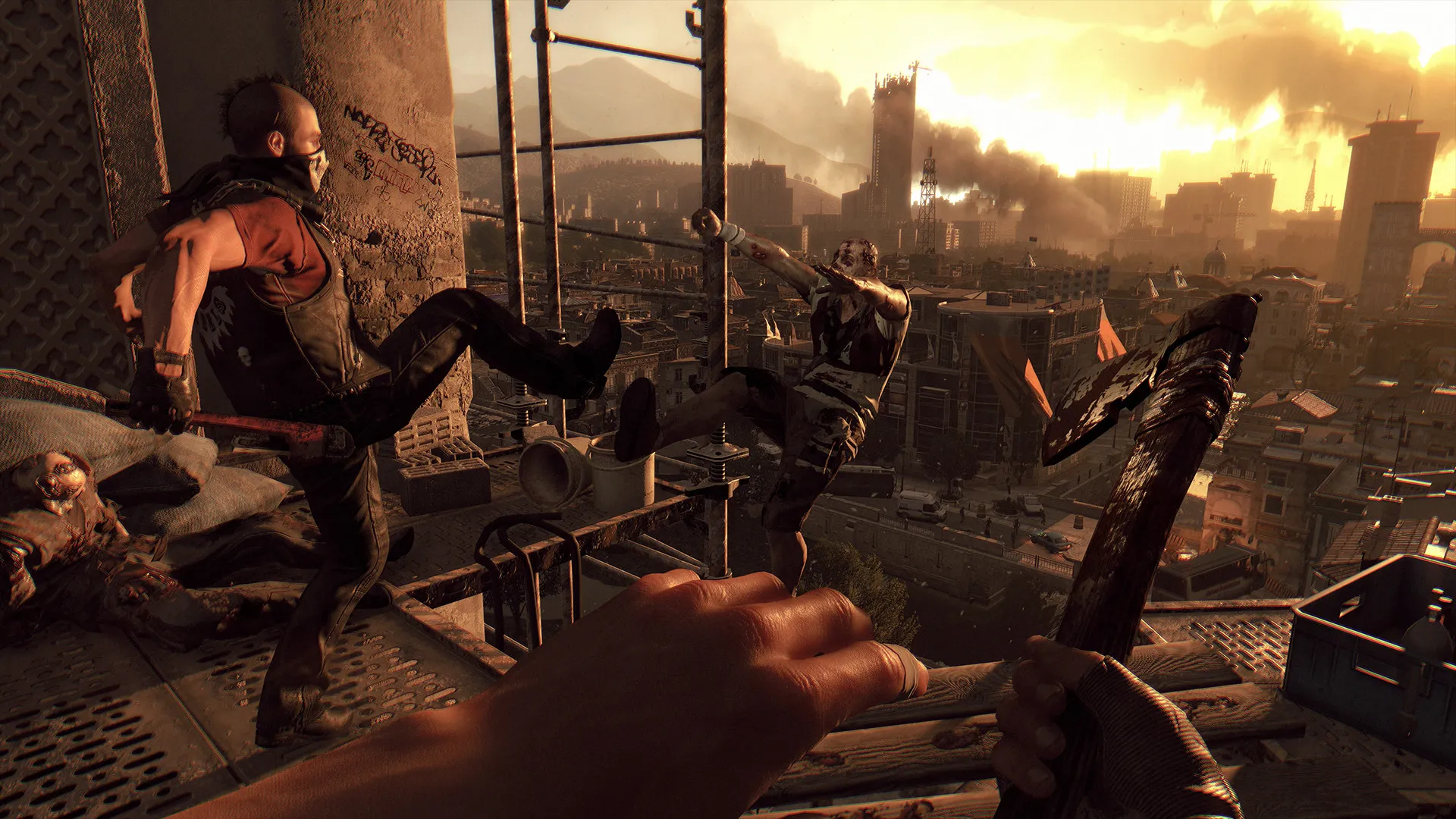
The best approach is to isolate enemies whenever possible. Kick them into spikes, off rooftops, or into traps. Use the environment because it costs less durability and often kills faster than direct swings. Even simple actions like stomping a fallen infected or using firecrackers to distract a crowd can save you precious resources.
Timing matters too. Wild swinging drains stamina and leaves you exposed. Controlled attacks, backing off after each hit, and watching for enemy lunges make combat much safer. Human enemies deserve even more caution because they block, dodge, and punish reckless attacks. In those situations, mobility and patience are better than aggression.
Early combat priorities
Preserve your best weapons
Use spikes, traps, and falls for easy kills
Fight small groups instead of large swarms
Scavenging Smart and Building a Strong Crafting Habit
Scavenging is one of the most important survival behaviors in Dying Light. Nearly every locked cabinet, fridge, toolbox, ambulance, and abandoned room can contain parts that keep you alive. Alcohol, gauze, metal parts, batteries, string, and household supplies may seem ordinary, but they fuel medkits, weapon mods, throwing items, and upgrades.
A lot of players make the mistake of only looting when they are low on supplies. A better habit is to loot constantly as part of movement. If a building is safe enough to enter, search it. If a police van is nearby and you can open it, do it. Over time, this steady scavenging creates huge long-term stability and gives you freedom to craft what you need without panic.
Crafting should also become second nature. Medkits are the obvious priority, but they are not the only important item. Lockpicks help with better loot access, molotovs can wipe clustered infected, and elemental weapon mods improve damage dramatically. The deeper you get into the game, the more rewarding crafting becomes because upgraded tools save time, health, and durability.
Items worth collecting every time
Alcohol
Gauze
Metal parts
Batteries
String
Chemicals
Smart crafting mindset
Keep medkits stocked before story missions
Save strong mods for weapons with good repair value
Craft utility items before you desperately need them
Understanding Day and Night Differences
The day-and-night cycle in Dying Light is one of its defining mechanics, and it completely changes how you should play. During the day, most threats are manageable if you stay alert. Biters are slower, rooftops are relatively safe, and exploration feels tense but controlled. You can plan routes, gather supplies, and take side objectives with some confidence.
Night is a different world. Visibility drops, tension spikes, and Volatiles transform the city into a hunting ground. These enemies are faster, stronger, and deadly if they catch you in the open. At night, movement becomes less about exploration and more about stealth, route planning, and risk calculation. You should know exactly where safe zones are before doing anything ambitious after dark.
That said, night is not just danger. It is also opportunity. Agility and Power gains increase, making nighttime one of the fastest ways to level if you can handle the pressure. The trick is to take calculated risks. Start small by doing short nighttime runs near safe zones. Learn the routes, memorize escape options, and build confidence gradually instead of trying to become fearless too early.
Unlocking Safe Zones and Controlling the Map
Safe zones are more than just places to sleep. They are anchors of control in a world designed to overwhelm you. Unlocking them gives you respawn points, rest locations, and crucial fallback positions during night runs or long supply routes. The more safe zones you activate, the less trapped you feel.
Whenever you enter a new area, one of your first goals should be identifying nearby safe zones. Clearing one usually takes a bit of combat, climbing, or environmental interaction, but the reward is always worth it. A well-placed safe zone can turn a dangerous district into a workable farming route or make a hard mission much less stressful.
These locations also help mentally structure the map. Instead of seeing Harran as a giant infected sprawl, you begin seeing it as a network of connected survival checkpoints. That perspective makes exploration more efficient. You stop wandering blindly and start moving with intention, from one secured point to the next.
Why safe zones matter so much
They reduce nighttime panic
They shorten recovery after death
They create efficient exploration routes
Developing Weapons, Mods, and Repair Strategy
Weapons in Dying Light are temporary by design, so learning how to manage them is a major part of mastery. Not every weapon deserves your best upgrades, and not every rare-looking item is worth holding forever. What matters is damage, handling, durability, and how many repairs remain.
In the beginning, use whatever gets the job done, but once stronger weapons appear, become more selective. A good blade with high damage and decent durability is often worth modding. A weak pipe with poor stats usually is not. Save premium blueprints and stronger upgrades for weapons that will remain relevant for longer stretches.
Elemental upgrades can dramatically change a weapon’s usefulness. Electricity is strong for crowd control, fire creates chaos, and toxic effects help soften targets over time. The best choice often depends on your style and the situation, but what matters most is understanding that mods are not just stat boosts. They shape how a weapon solves problems. Combined with a smart repair habit, they help you stay effective without constantly feeling under-armed.
Good weapon management rules
Use weak weapons on basic enemies
Save powerful weapons for humans, specials, and missions
Do not waste rare upgrades on throwaway gear
Handling Human Enemies, Specials, and Dangerous Encounters
As the game progresses, the infected are no longer your only concern. Human enemies become more aggressive, organized, and dangerous, especially when armed with ranged weapons or capable melee reactions. Unlike biters, they force you to think about spacing, blocks, and timing in more deliberate ways.
Against human enemies, reckless offense usually backfires. Watch their guard, bait attacks, and punish openings. Throwing weapons, environmental hazards, or quick mobility skills can shift the advantage. Once firearms appear more often, positioning becomes even more important because standing still is a great way to get shot. Roof angles, cover, and flanking routes matter a lot.
Special infected also demand respect. Virals are fast and reactive, Goons hit like trucks, Toads pressure you from range, and Volatiles remain terrifying apex threats. The key is not to treat all special enemies the same. Learn what each one wants from a fight. Some want to corner you, some want to overwhelm you, and some want to punish hesitation. Once you recognize their patterns, these encounters feel far more controlled.
General rule for dangerous enemies
Identify the threat first, then choose the tool
Do not improvise in panic if you can avoid it
Escape is often smarter than forcing a bad fight
Using Quests, Side Content, and Exploration to Level Efficiently
Main quests push the story forward, but side content is where a lot of real growth happens. Side quests often lead you into new zones, teach useful survival lessons, and reward you with experience, blueprints, or valuable equipment. Skipping them can leave you underpowered and less familiar with the map.
Exploration is just as important. Airdrops, quarantine zones, random encounters, and hidden loot locations all contribute to progression. Some of the best moments in Dying Light happen when you are not following a direct objective, but instead making your own route across the city and reacting to the chaos that unfolds. That freedom is also a powerful learning tool. It teaches you judgment.
For leveling efficiently, mix activities instead of grinding only one thing. Parkour during travel boosts Agility. Controlled combat improves Power. Delivering DROPs and completing objectives supports Survivor rank. This balanced approach keeps progression smooth and prevents the game from feeling repetitive. You are not just farming numbers. You are becoming more capable in every area that matters.
Preparing for Late-Game Survival and High-Risk Play
By the late game, you are no longer the fragile outsider who could barely survive a rooftop chase. You have better movement, stronger weapons, more crafting options, and a clearer understanding of the city. But Dying Light still punishes complacency. Stronger enemies, harder missions, and nighttime threats remain dangerous if you stop respecting the systems.
Late-game success is about confidence without sloppiness. You should know when to push, when to retreat, and when to bypass a fight entirely. Your inventory should stay organized, your medkits stocked, and your strongest weapons reserved for situations that truly deserve them. Skill matters, but preparation still wins a lot of battles before they begin.
This is also when the game opens up creatively. Advanced parkour skills, stronger elemental setups, grappling utility, and better combat flow let you approach encounters in your own style. Some players become rooftop ghosts, some turn into aggressive zombie slayers, and others play like tactical scavengers who use every system carefully. The best version is the one that keeps you alive consistently.
Late-game habits that separate strong players
Restock before major missions
Memorize escape routes in every district
Keep a mix of melee, thrown, and utility options ready
Turning Survival into Mastery
True mastery in Dying Light is not about never taking damage or killing everything in sight. It is about control. It is knowing the city well enough to move through it with purpose, using parkour as instinct, combat as a tool, and scavenging as preparation rather than desperation.
When you reach that point, Harran feels different. Rooftops become highways, infected crowds become obstacles instead of disasters, and nighttime turns from pure fear into a high-risk opportunity. You still respect the danger, but you stop feeling helpless inside it. That change is what makes Dying Light so satisfying.
The strongest players are not just aggressive or fast. They are adaptable. They can survive when a route collapses, when a Volatile spots them, when a human ambush goes wrong, or when supplies run low. Mastery is the ability to recover, rethink, and keep moving forward. In a city built on chaos, that is what makes a true survivor.
Conclusion
Dying Light remains one of the most rewarding survival action games because it makes every system matter. Parkour is survival, crafting is security, combat is risk management, and exploration is the path to long-term strength. Harran is brutal at first, but once you learn how its systems connect, the city becomes a playground for smart, skilled survivors.
By focusing on movement first, fighting with purpose, looting consistently, respecting the danger of night, and building your skills in a balanced way, you can transform from a desperate scavenger into a confident Night Runner. Dying Light is not about brute force alone. It is about momentum, awareness, and making the city work for you instead of against you. Stay off the streets when you can, keep your medkits ready, and never stop moving.