The Hidden Fog of Progress: How Resource Attrition Erodes Strategic Agency in Voyagers of Nera

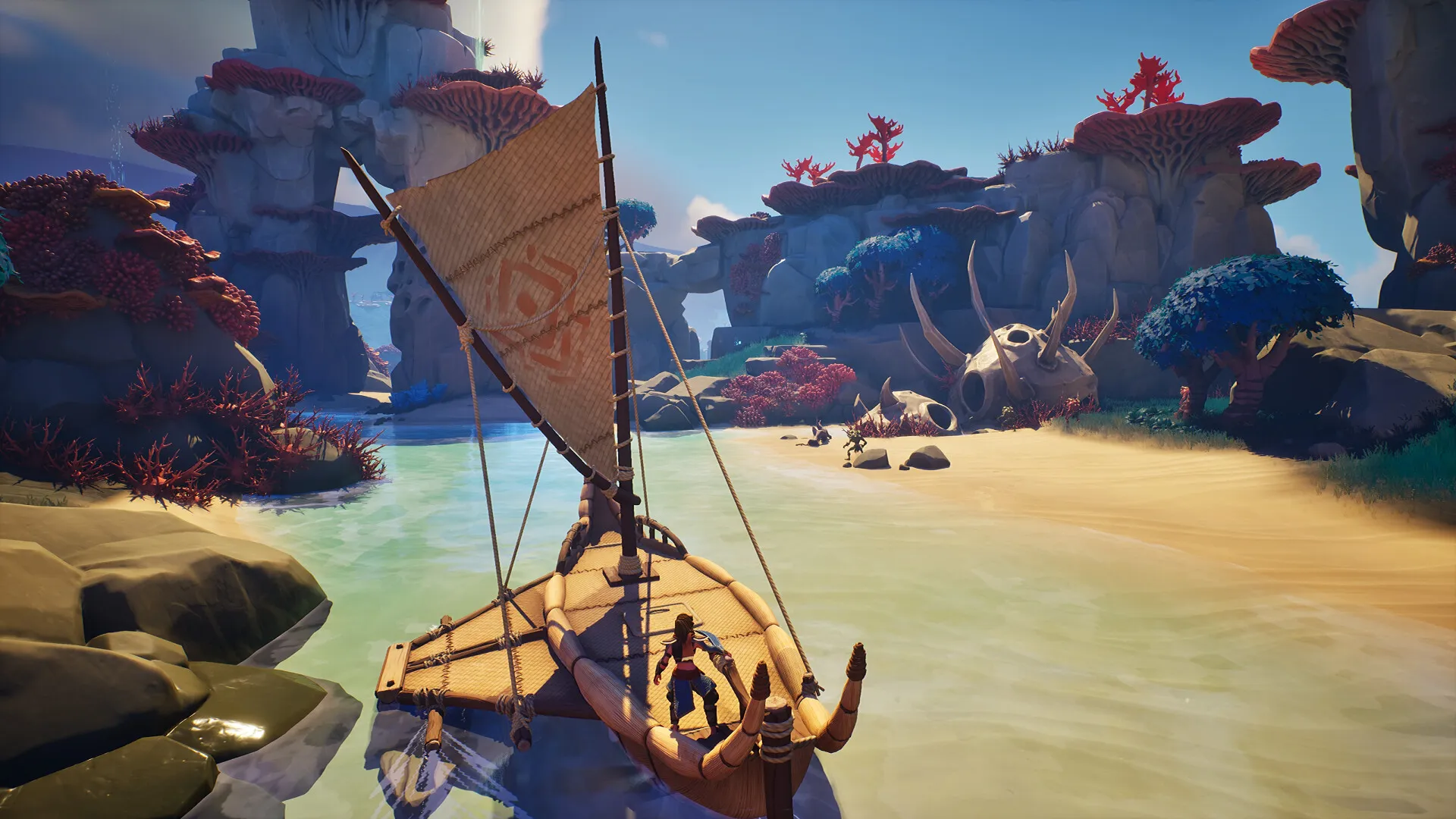
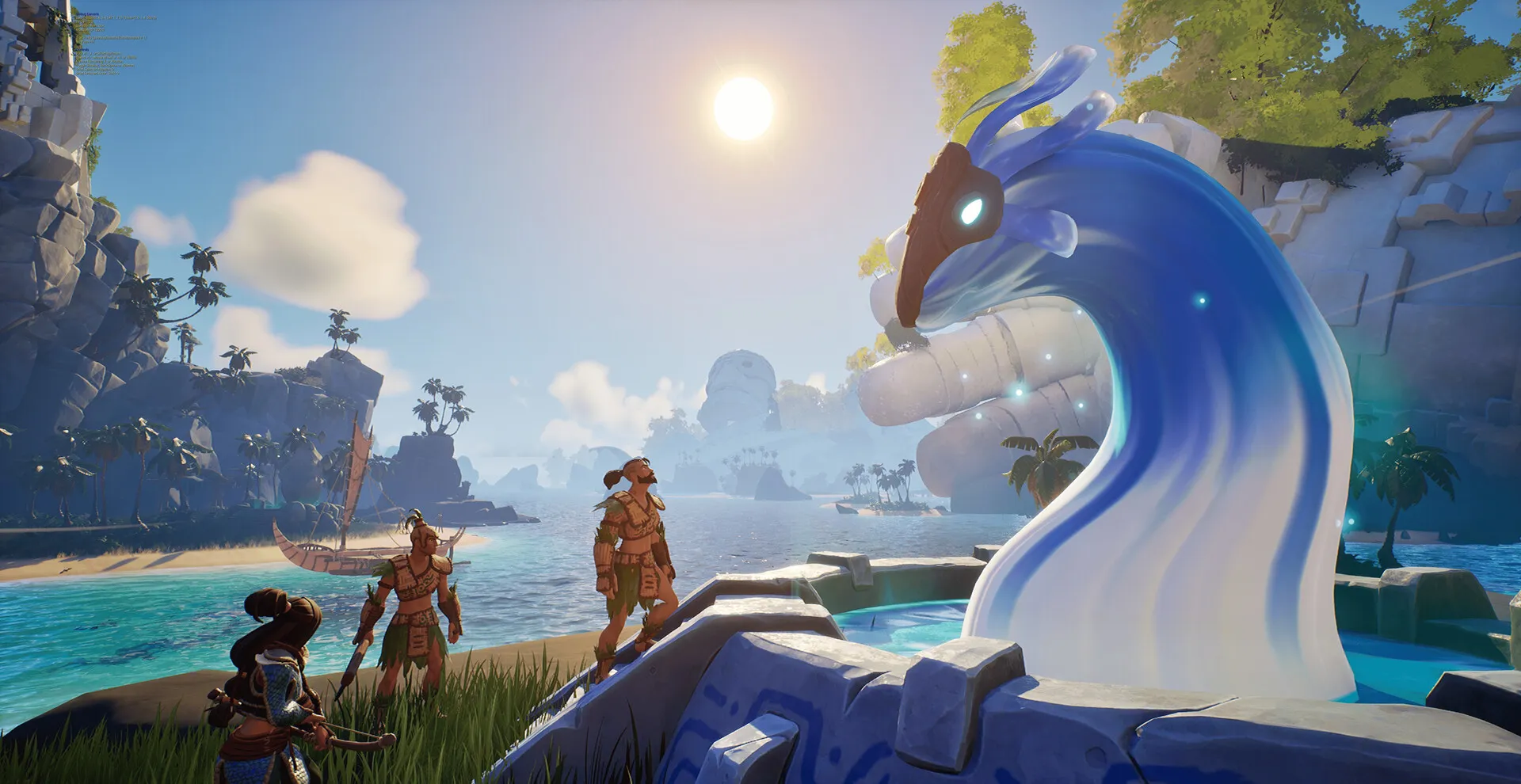
Voyagers of Nera is a strategy-exploration RPG that blends emergent storytelling, resource management, and planetary traversal into a cohesive world. Players command an expeditionary fleet through uncharted sectors of Nera, seeking ancient technologies, uncovering mysterious societies, and confronting cosmic threats. At its core, the game asks players to make meaningful strategic choices: which worlds to explore, which colonies to uplift, how to balance short-term survival with long-term advancement.
Yet beneath its polished surface lies a specific systemic problem—one that quietly undermines strategic agency and long-term planning: resource attrition across planetary systems becomes a hidden fog that gradually erodes meaningful choices, compressing strategy into survival behaviors. Rather than enabling emergent strategy over long campaigns, the game’s attrition model increasingly forces players into reactive resource scrambles, undercutting strategic diversity.
This article examines this issue deeply, tracing how it emerges over time, how it impacts decision-making, and why it fundamentally alters the way Voyagers of Nera is experienced in extended play.
The Strategy Promise of Voyagers of Nera
When players first start Voyagers of Nera, the game appears rich with long-term strategic potential. Early game tutorials emphasize:
- Planetary specialization
- Naval research investment
- Balanced exploration choices
- Diplomatic positioning
These systems are interdependent, and at first, they seem to empower players to shape the fate of entire sectors.
H3: Strategic Complexity, Not Random Chaos
The game’s layered economy and exploration systems provide depth without obvious micromanagement tedium. Every choice seems to matter: which world to exploit first, which tech to research, which faction to cultivate alliances with. Players quickly take pride in carefully crafted long-term plans.
H4: The Illusion of Stability
However promising this ecosystem initially feels, one foundational mechanic quietly destabilizes it: the resource attrition model.
Understanding Resource Attrition in Voyagers of Nera
Resource attrition in Voyagers of Nera refers to the gradual depletion of key strategic resources (e.g., Elementium, Biocatalysts, Neural Crystals, Structural Alloys) across systems and colonies. Unlike other 4X or exploration games where resource nodes respawn or scale with progress, Nera’s systems often deplete irrevocably based on player extraction, environmental events, or raid damage.
H3: How Attrition Works
- Resource nodes have finite stores.
- Extraction increases rewards but accelerates depletion.
- Systems attacked by cosmic anomalies or pirates lose resource stores permanently.
- Some resources decay naturally over time due to instability.
H4: The Strategic Cost of Scarcity
Attrition transforms formerly predictable resource economies into dangerous unknowns. Players can see the resource count drop on paper—but the deeper impact is psychological: strategies that once seemed viable cease to be sustainable once attrition accelerates.
Early Progression: Resource Choices Still Feel Meaningful
In the first few hours of play, choices about resources feel impactful in the best possible sense—players feel clever for securing a rich planetary node, or frustrated but engaged when they lose one to raiders.
During these early stages:
- Players scout systems thoroughly.
- Resource scarcity is manageable.
- Choices feel consequential and clear.
H3: Skillful Allocation
Early on, players can invest in:
- Research technologies that improve yields.
- Colonies that specialize in specific resource extraction.
- Shields and defenses that protect resource worlds.
These choices appear strategic, not punitive.
H4: The Calm Before the Tilt
It is only later—once the game’s larger systems kick in—that resource scarcity becomes unpredictably oppressive, directly scaling up the attrition problem into an existential threat rather than a strategic challenge.
Mid-Game Escalation: Attrition Meets Growing Demand
Once players advance past initial planetary clusters and begin deeper exploration or higher-tier research, resource demands skyrocket. Technologies require vast stores of Neural Crystals, fleet construction demands Elementium, and colonies burn Biocatalysts just to maintain stability.
But here lies the system’s crux: resource demand grows faster than resource replenishment or discovery.
H3: Demand Outpaces Supply
Players often find that:
- Newly unlocked tech costs exponentially more.
- Expected mining yields stagnate.
- New regions lack meaningful deposits.
This forces a dramatic shift in strategy.
H4: The Attrition Spiral
Rather than feeling challenged to make clever trade-offs, players begin to feel overwhelmed by scarcity—forced to adopt a survivalist stance.
The Fog of Attrition: When Strategic Planning Breaks Down
In systems design, “fog of war” obscures information but not choice potential. In Nera, the “fog of attrition” obscures choice viability itself.
As resource stocks shrink across systems, the player’s range of viable strategies shrinks in parallel.
H3: Reduced Strategic Diversity
Attrition increasingly forces players toward:
- Hyper-focused hoarding
- Forced trade deals
- Constant defensive redeployment
- Retreat from long-term projects
These are not choices born from strategic variety—they are reactive survival decisions.
H4: When Attrition Becomes a Strategy Trap
Instead of enabling meaningful catalogues of strategies, the game funnels players toward a narrow set of responses, reducing emergent play patterns.
The Psychological Toll of Invisible Erosion
Attrition affects not only the in-game economy but also player psychology. Strategic games thrive on perceived control—players feel satisfaction when outcomes align with plans. But in Voyagers of Nera, resource depletion often feels unpredictable in feedback timing.
H3: Invisible Erosion
Players frequently discover:
- A resource stock dropped overnight with no immediate cause
- A previously stable system suddenly nerfed by an event
- Extraction yields that change mid-session
This creates a psychological impression of randomness rather than strategic consequence.
H4: Anxiety Over Mastery
Instead of feeling masters of a system, players feel like caretakers of a bleeding economy—never confident that their actions will yield reliable outcomes.
Combat and Attrition: The Hidden Cost of Aggression
Combat in Voyagers of Nera is rewarding and brutal. Players command star fleets and ground expeditions in pitched battles against pirates, ancient guardians, and cosmic anomalies.
Yet every combat encounter creates a secondary effect: resource attrition.
H3: War Weariness and Depletion
Combat drains:
- Repair materials
- Logistics stores
- Fuel reserves
- Colony stability
These drains alter strategic calculus dramatically.
H4: Attrition as a Side Effect of Aggression
Players must choose between:
- Engaging threats for rewards but risking attrition,
- Avoiding combat but forfeiting rare loot.
This tension is not inherently negative—but Voyagers of Nera does not provide enough feedback to help players make informed decisions.
Colonization Under Strain: Attrition vs Long-Term Growth
Colonization is meant to be a long-term investment track. Build outposts, specialize them, defend them, reap systemic benefits.
However, attrition undermines this in two subtle ways:
- Colonies erode yields over time due to systemic decay.
- Colonized systems can be hit by events or raids that remove resource buffers entirely.
H3: The Cost of Investment
Players pour resources into:
- Defensive grids
- Research facilities
- Industrial modules
Then watch these investments deliver diminishing returns as attrition accelerates.
H4: When Colonies Become Sinks
The game blurs the line between payoff and ongoing cost. Colonies feel like liabilities over time rather than strategic assets.
Player Adaptation: Survival Play vs Strategic Play
Veteran players adapt to attrition in predictable patterns—not because it feels smart, but because it feels necessary.
H3: Common Player Adaptations
- Empire consolidation instead of expansion
- Prioritizing short-term yield systems
- Weaponizing trade routes at the cost of exploration
- Avoiding risky worlds entirely
H4: Lost Strategic Opportunities
These adaptations keep players alive—but they also restrict the very creative strategies the game initially encourages.
List: Typical Attrition-Driven Play Patterns
- Hoard everything
- Minimize fleet splits
- Avoid high-risk exploration
- Prioritize defensive research
- Trade rather than conquer
These patterns reflect defensive reaction more than strategic diversity.
The Design Paradox: Theme vs Mechanic
The narrative of Voyagers of Nera revolves around survival against deterministic cosmic entropy. Attrition ties this theme mechanically into every system. But the very mechanic that reinforces theme undermines the sense of agency central to strategy games.
H3: Narrative Strength
Thematically, attrition mirrors the story:
- A universe that consumes all
- Empires that rise and fall
- Lives cut short
H4: Mechanic Weakness
Mechanically, players feel less like architects of strategy and more like economic triage managers.
The Path Forward: Balancing Attrition Without Undermining Agency
The core problem is not attrition itself—others games use scarcity as a strategic driver. Rather, the issue is how attrition interacts with feedback timing, planning horizons, and choice viability.
Potential rebalancing approaches include:
- Improved transparency in resource decay and causes
- Event signaling before resource shift impacts
- Resource regeneration through strategic investment
- Alternative reward paths that don’t accelerate attrition
- More situational incentives for high-risk exploration
H3: Balancing Feedback
Players deserve clear signals about why a system’s output changes—whether due to attrition, raid damage, or internal decay.
H4: Renewing Strategic Freedom
Alternative systems can maintain thematic tension without funneling players into survival monotony.
Conclusion
Voyagers of Nera is a remarkable game with a layered narrative, deep exploration mechanics, and richly interconnected systems. Yet its resource attrition system—designed to echo the narrative of cosmic inevitability—slowly erodes strategic agency over time. A game that promises emergent strategy and creative decision-making instead funnels players toward reactive resource management patterns and defensive survival play.
Attrition need not be antithetical to strategic diversity. But in its current form, it often limits the very expression of agency that makes strategy games compelling. Whether through better feedback, more nuanced resource dynamics, or meta-systems that reward long-term investment without punishing it, Voyagers of Nera could preserve both its narrative ambition and its strategic richness.
Understanding this issue reveals why many veteran players feel caught between story suspension and system frustration. Fixing the hidden fog of attrition might be the key to unlocking the game’s full potential—turning Voyagers of Nera from a survival struggle into a living strategic world worthy of its narrative scope.